By: WEBER WAY TO WELLNESS REPORTER
9/24/26 TAVARES, FL—315 W. Main Street was filled ONLY with people wanting to Save Wilson Island in Groveland, Fl at the Lake County Public Lands and Trails Acquisition Advisory Committee meeting where it was UNANIMOUSLY voted to recommend Wilson Island to the Board of County Commissioners for appraisal.
The next meeting will be Tuesday, October 27, 2026 at 9am (same place). There will be a vote on whether to authorize formal property appraisals using funding from the $50 million conservation bond referendum approved by voters.
Alicia Weber, World’s Most Prolific Female Record Holder (records all in physical fitness), was one of about 30 speakers at the meeting. Everyone at the meeting shared the same vision of Wilson Island being a conservation hub that all ages could go to and learn and enjoy. Alicia proved that conservation is what people want based on her popular program.
Alicia has an archery fitness sports league of over 13 years. She had many different program themes over the years. However, Alicia’s Garden Warrior Archery Program has overwhelmingly become her most popular program over the past 6 years. The kids ages 4 and up keep wanting more of it and she has a lot of returning students. The program has an emphasis in teaching youth about Florida native plants and animals. They also get tested in the material as part of their competitive program.
You can see what achievements were made in Alicia’s 2025-2026 Garden Warrior Archery program here.
It would be a dream come true if people could one day be able to do research on Wilson Island and one day have students be able to go there for fields trips and even take classes there. The meeting proved this vision is shared by many. With Groveland’s Dark Sky certification, people could go there to view all the stars and moon at night too and of course enjoy the recreation like fishing, paddling, and walking the island.
Alicia stated, “Wilson Island belongs to Wilson Lake and the people are the custodians.”
Lake Wilson is a watershed and the forested island needs to remain as it is to be able to absorb all the stormwater and rain to prevent flooding. With all of its oak trees, magnolias, shrubs, wetlands, plants, hardwoods, vines, and smaller trees, it is certainly a hub for a wide variety of animals and birds that need to be protected.
Alicia does a lot of research within 9 miles of Wilson Island and she can prove that Wilson Island is not only a vital ecosystem, since it is a watershed, but also a critical environment for wildlife. Obviously, Alicia is not able to go on Wilson Island and do direct research, but with everything around it proving to be very abundant with wildlife (more so than other places), Wilson Island will certainly be an International Gem with people anxious to visit and they will see some amazing wildlife too and be awestruck just like how Alicia’s student’s become awestruck when they learn about Groveland wildlife in nearby places with Alicia’s stories, pictures, and videos.
It is time to become awestruck now with ALL the stats Alicia will provide about this area and AGREE that we must Save Wilson Island in Groveland, Florida NOW and let the city of Groveland buy it and turn it into a conservation area and passive park.
Wilson Island is definitely a bird sanctuary just like the Cascades of Groveland off Lake Wilson Parkway (less than 2 miles away). They both have mature oak trees and wetlands and this is what is needed to attract and support thousands of species of insects, birds, and mammals.
Above is a video clip of a regular evening just before sunset in the Cascades of Groveland Conservation Area (less than 2 miles from Wilson Island). The sandhill cranes fly over these towering trees that have been untouched. Then, they lower down into the wetlands behind them to settle down for the night. *They are a protected and state threatened species and their habits must be conserved.
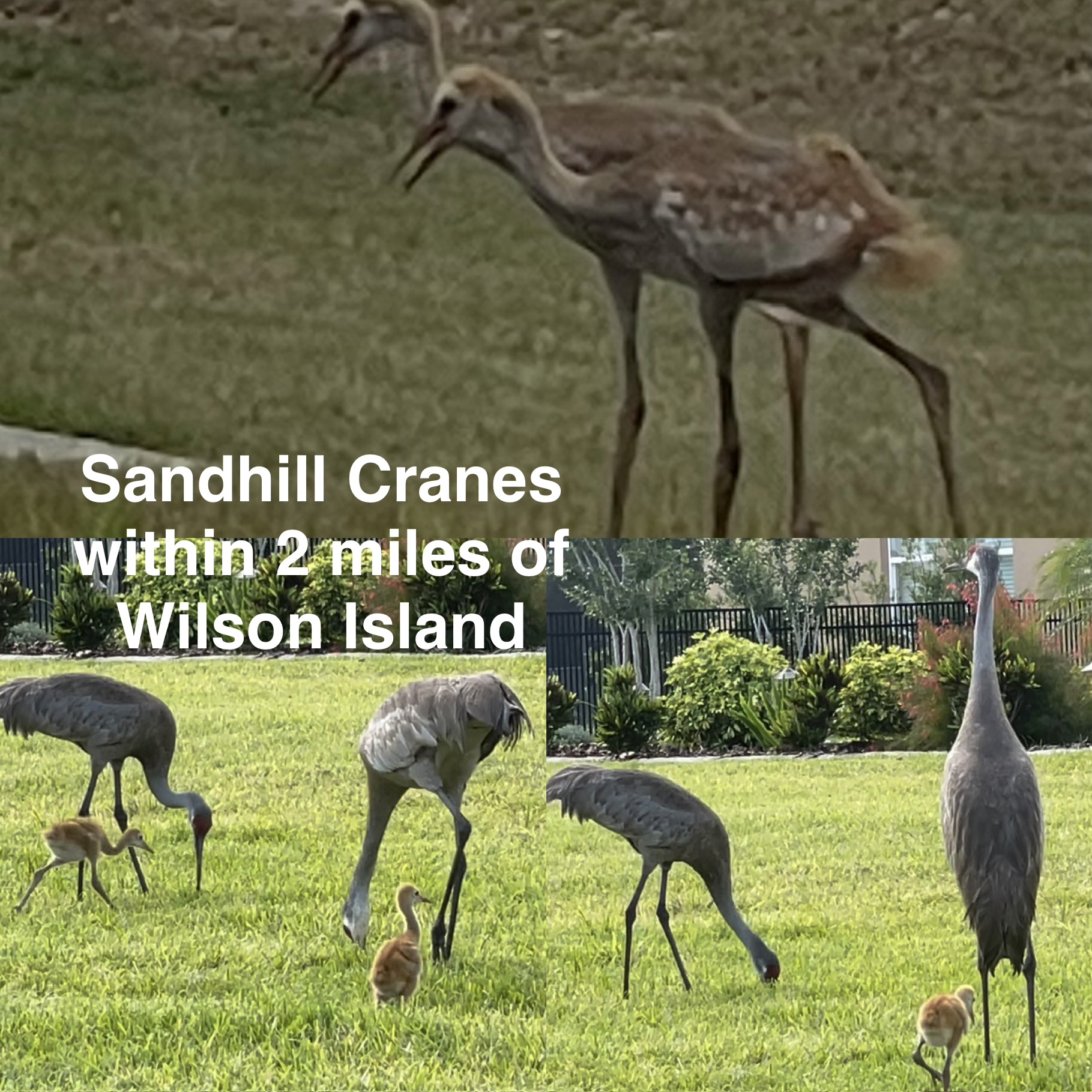
Alicia studies birds in the Cascades of Groveland Conservation area (less than 2 miles from Wilson Island) and she has identified 78 bird species between June 14, 2025 – July 24, 2026. She can confirm her findings through pictures and bird sounds using the Merlin and iNaturalist apps. She also consulted with other researchers in this area and they confirmed these species also. THIRTY-SEVEN bird species are protected and/or threatened as well. Below is a list of the species (in alphabetical order) she has identified in this area during the above time frame:
A – American Crow, American Kestrel (species is threatened in Florida and protected under federal and state laws), American Redstart (species protected under Migratory Bird Treaty Act), American Robin (species protected under Migratory Bird Treaty Act), American Barn Owl (species protected under federal and state laws), and American Goldfinch
B- Barred Owl (species protected under Migratory Bird Treaty Act), Brown head Cow Bird (species protected under Migratory Bird Treaty Act), Brown Thrasher, Blue Gray Gnatcatcher, Blue Jay (species protected under Migratory Bird Treaty Act), Black-Crowned Night Heron (species is of concern in Florida and protected under federal and state laws), Black Bellied Whistling Duck (species protected under Migratory Bird Treaty Act), Bald Eagle (protected species under federal and state laws), Black and White Wrabler, Boat Tailed Grackle (species protected under Migratory Bird Treaty Act), and Black Chinned Hummingbird
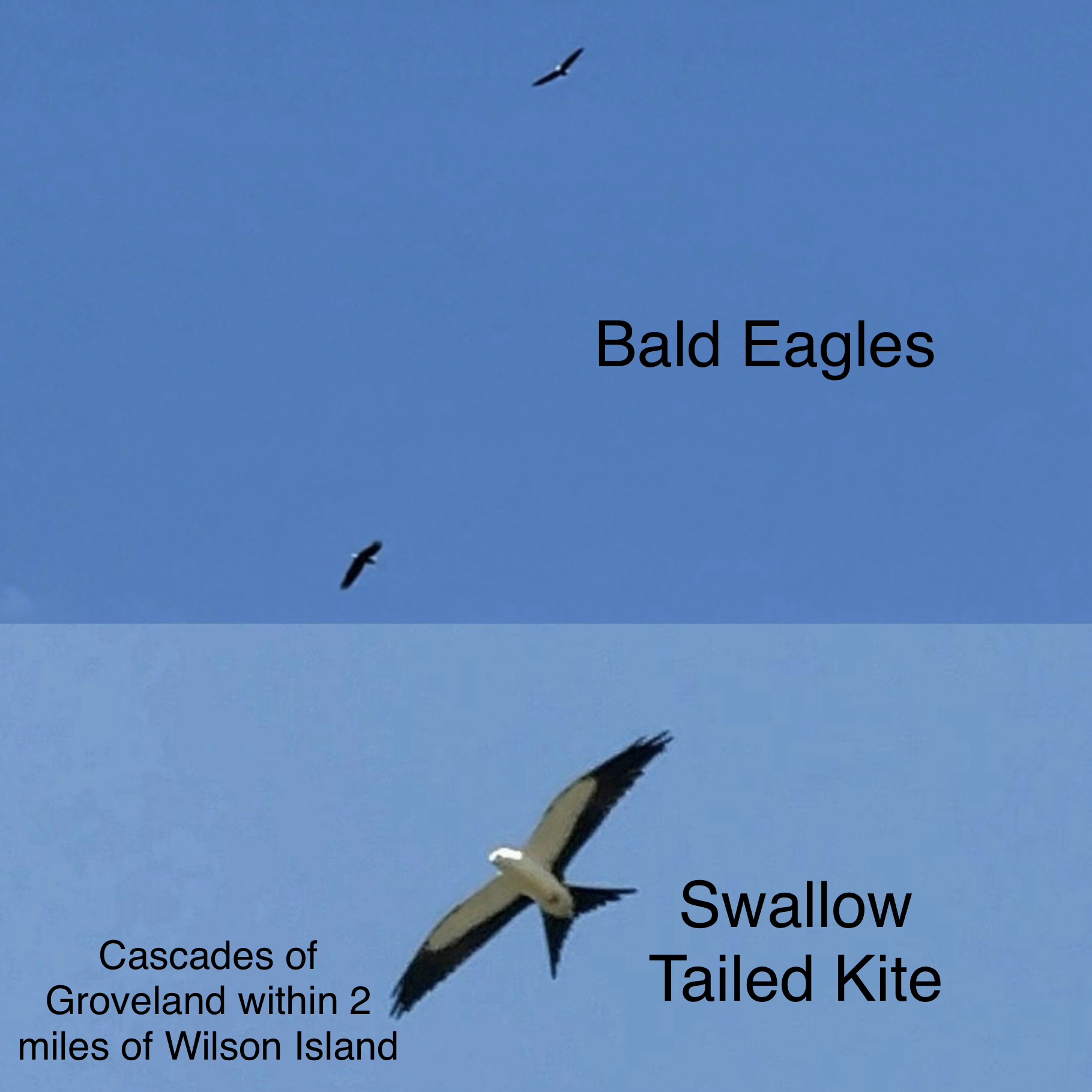
C – Carolina Wren, Carolina Chickadee, Common Ground Dove, Common Night Hawk (species protected under Migratory Bird Treaty Act), Chimney Swift (declining species and protected under the Migratory Bird Treaty Act), Common Yellow Throat, Cedar Waxing, and Cooper’s Hawk
D- Downy Woodpecker (species protected under Migratory Bird Treaty Act)
E- Eastern Bluebird, Eurasia Dove, Eastern Screech Owl (species protected under Migratory Bird Treaty Act), European Starling, Eastern Phoebe, and Eastern Towhee
F- Fish Crow
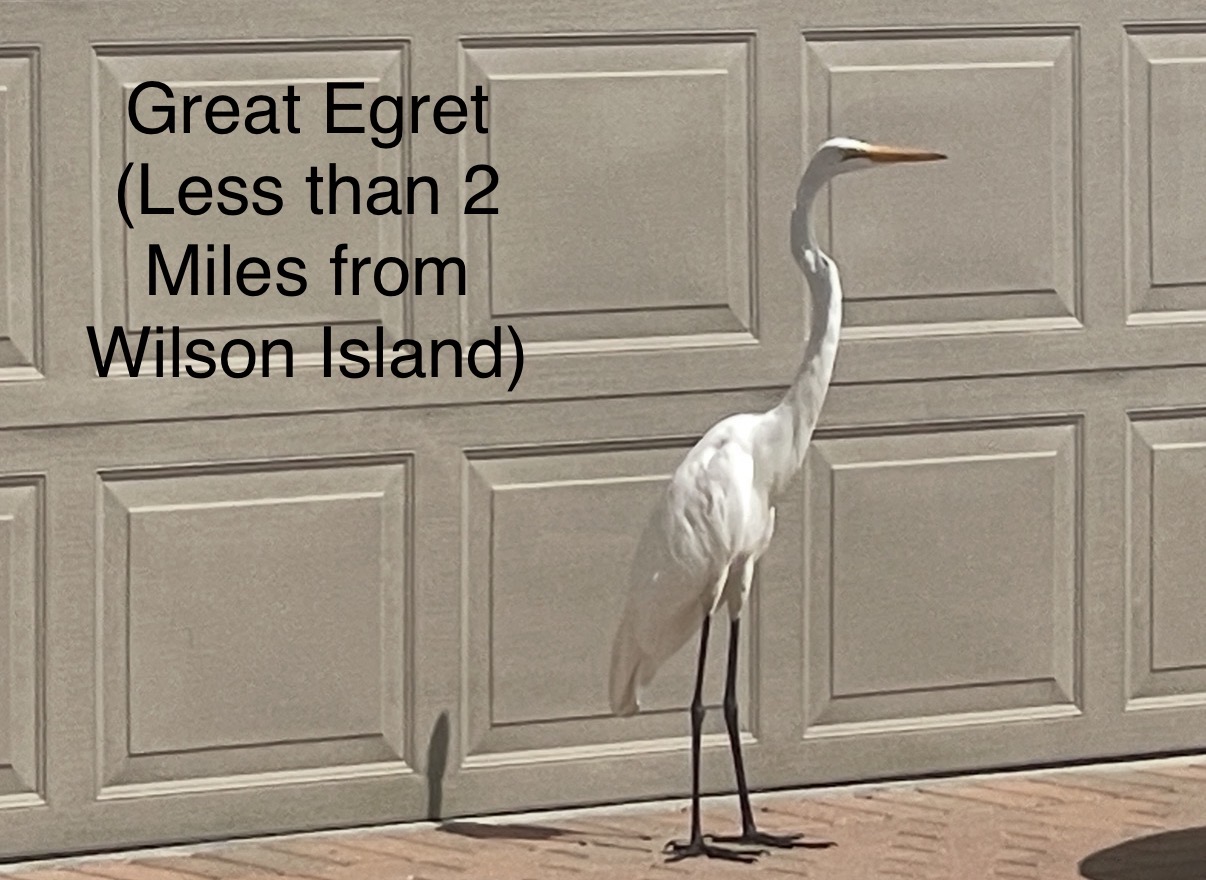
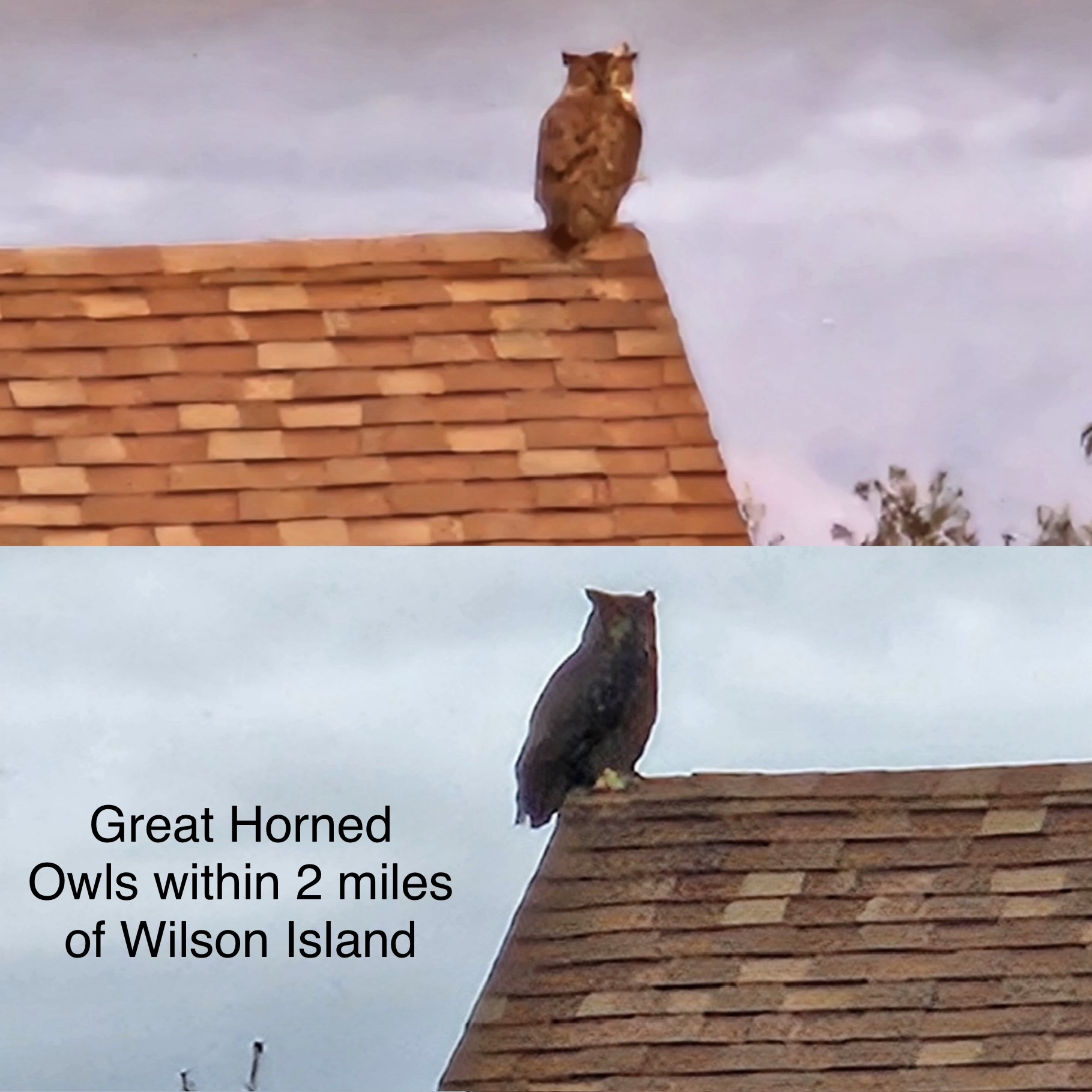
G- Great Crested Flycatcher, Great Egret (protected species under federal and state laws), Gray Catbird, Great Blue Heron (species protected under Migratory Bird Treaty Act), and Great Horned Owl (species protected under Migratory Bird Treaty Act)
H- House Finch and House Sparrow
K- Killdeer (protected species under federal and state laws)
L- Little Blue Heron (protected species under federal and state laws), Limpkin (vulnerable species and protected species under federal and state laws), and Loggerhead Shrike
M- Mourning Dove (species protected under Migratory Bird Treaty Act) and Marsh Wren (species is threatened in Florida and protected under Migratory Bird Treaty Act)
N- Northern Cardinal (species protected under Migratory Bird Treaty Act), Northern Mocking Bird, and Northern Parula
O- Osprey (Protected and part of Imperiled Species Management Plan)
P-Purple Martin (species of conservation concern due to habitat loss), Prairie Wrabler, Palm Wrabler, and Pileated Woodpecker (protected species under Migratory Bird Treaty Act)
R- Ruby Throated Hummingbird, Red Shouldered Hawk (protected species under federal and state laws), Red bellied Woodpecker (protected species under Migratory Bird Treaty Act), Red Winged Blackbird, Red Eyed Vireo, Rock Pigeon, Red Headed Woodpecker (rare and threatened species), Ruby Crowned Kinglet, Red Tailed Hawk (protected species under federal and state laws), and Rufous Hummingbird
S- Sandhill Cranes (protected species under federal and state laws AND STATE THREATENED SPECIES), Swallow Tailed Kites (protected species under federal and state laws), Swamp Sparrows, and Savannah Sparrow
Above is short clip of Happy and Healthy Sandhill Cranes the live and nest in the Conservation Area that has wetlands in Cascades of Groveland less than 2 miles from Wilson Island.
T- Tufted Titmouse
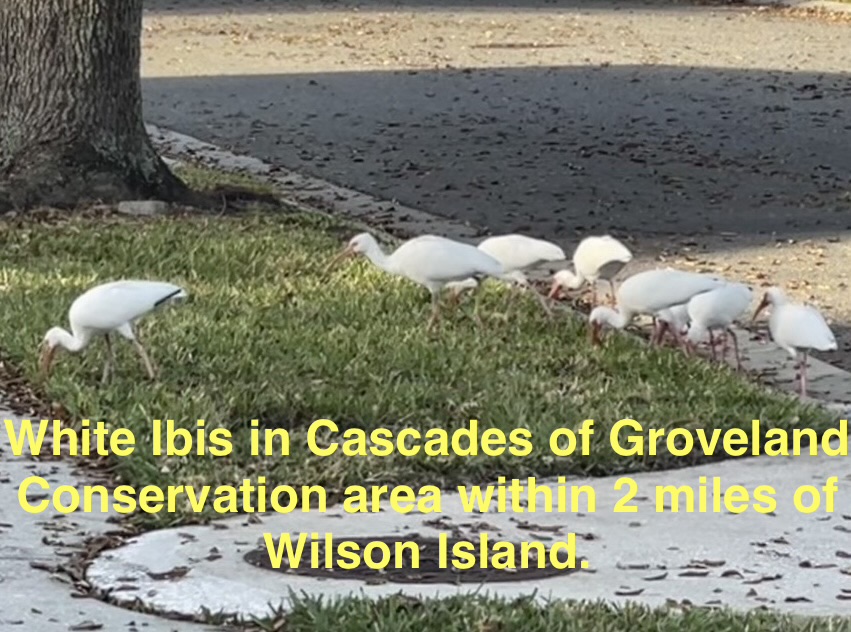
W- Wild Turkey (protected species under state laws), White Eyed Vireo, White Winged Dove (species protected under Migratory Bird Treaty Act), and White Ibis (protected species under federal and state laws)
Y- Yellow Billed Cuckoo, Yellow Rumped Wrabler, Yellow Throated Vireo, Yellow Wrabler, and Yellow Bellied Sapsucker (species is protected under Migratory Bird Treaty Act)
Wilson Island should be saved as these protected and threatened species need Wilson Island.
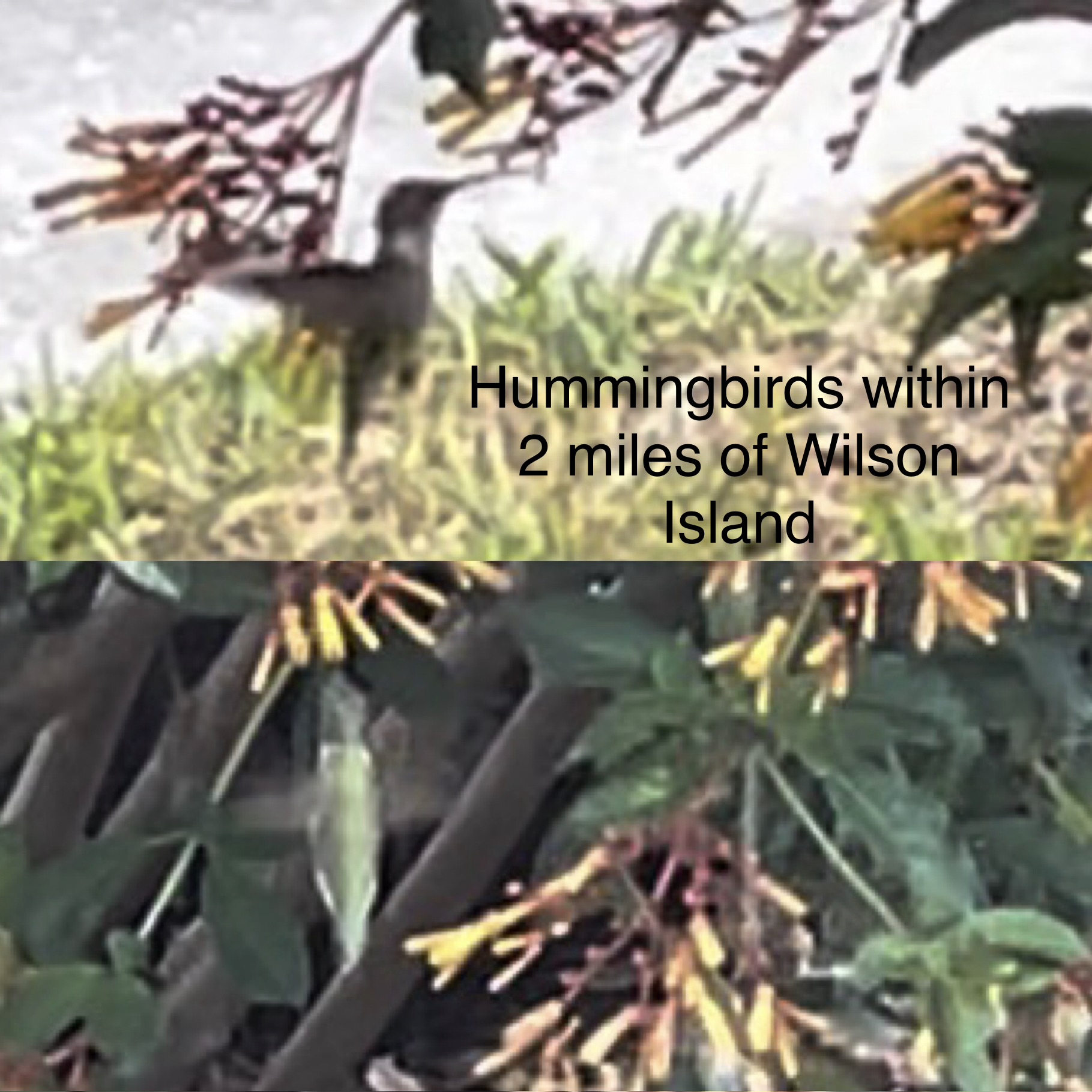
Now, Alicia will share her personal research with the pollinators within 2 miles of Wilson Island. Of course, the more pollinator plants a person has in their yard, the more they will attract. Alicia also does landscape work and she can give a free consultation on how to attract more pollinators to a yard. She is currently working on having year-round hummingbirds and her first one identified in 2026 was on April 12 and she is still having them both male and female. Here is a clip of a female hummingbird that has been residing in her oak tree.
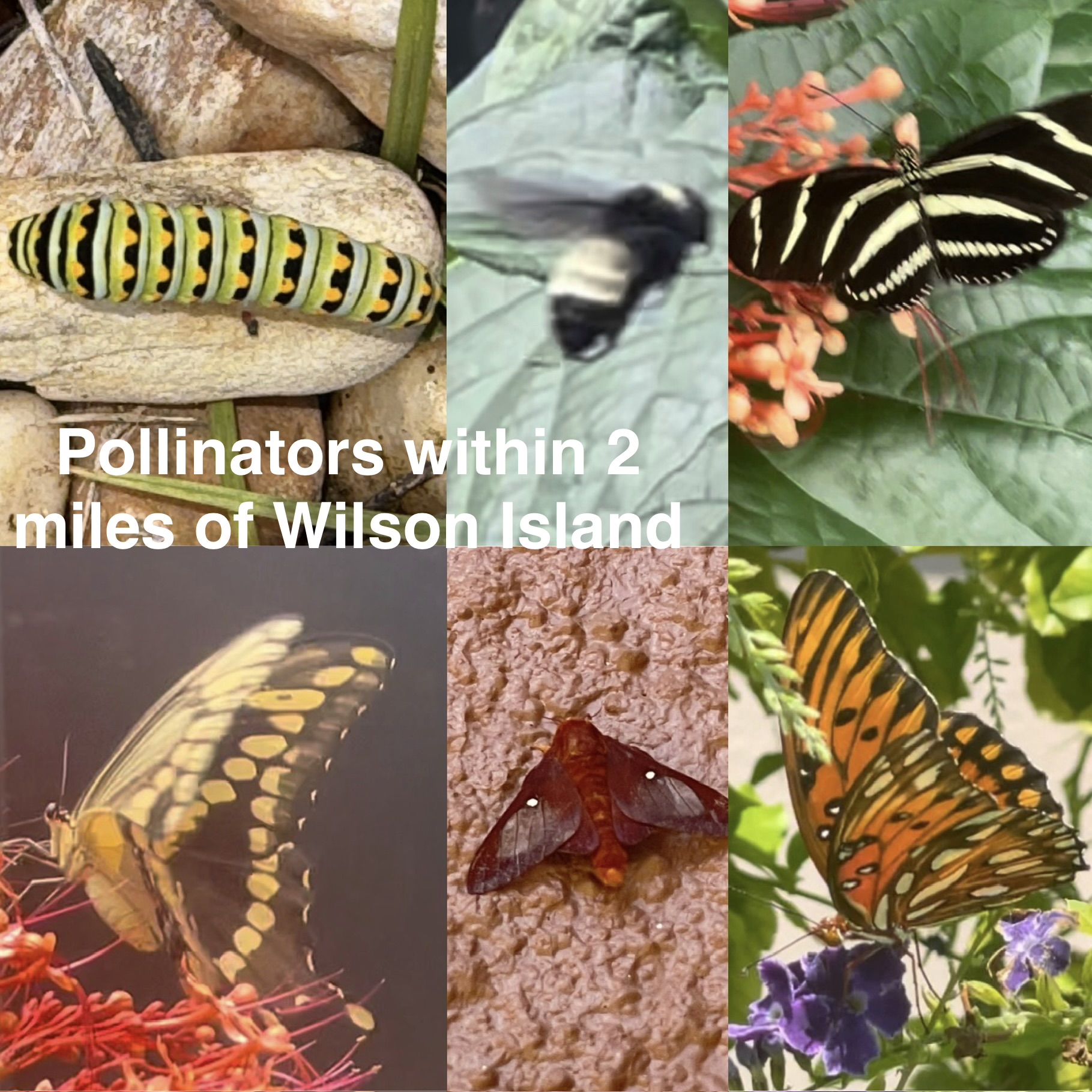
These findings once again come from the Cascades of Groveland Conservation areas. The peak season for pollinators is August – October. Alicia has identified 35 species so far this peak 2026 season as stated below:
A- American Bumble Bee (an endangered species)
B- Banded Sphinx, Black Swallow Tail Butterfly, and Bee Fly
C- Cassius Blue, Ceranus Blue, Checkered-White Butterfly, Carpet-grass webworm moth, and Cloudless Sulphur Butterflies
D- Dorantes Longtail, Dusky Herpetogramma moth
E- Eastern Giant Swallowtail and Eastern Tiger Swallowtail Butterflies
F- Fireflies (rare)
G- Giant Swallowtail and Gulf Fritillary Butterflies
H- Hummingbird Moth
K- Katydid
L- Long-Tailed Skipper
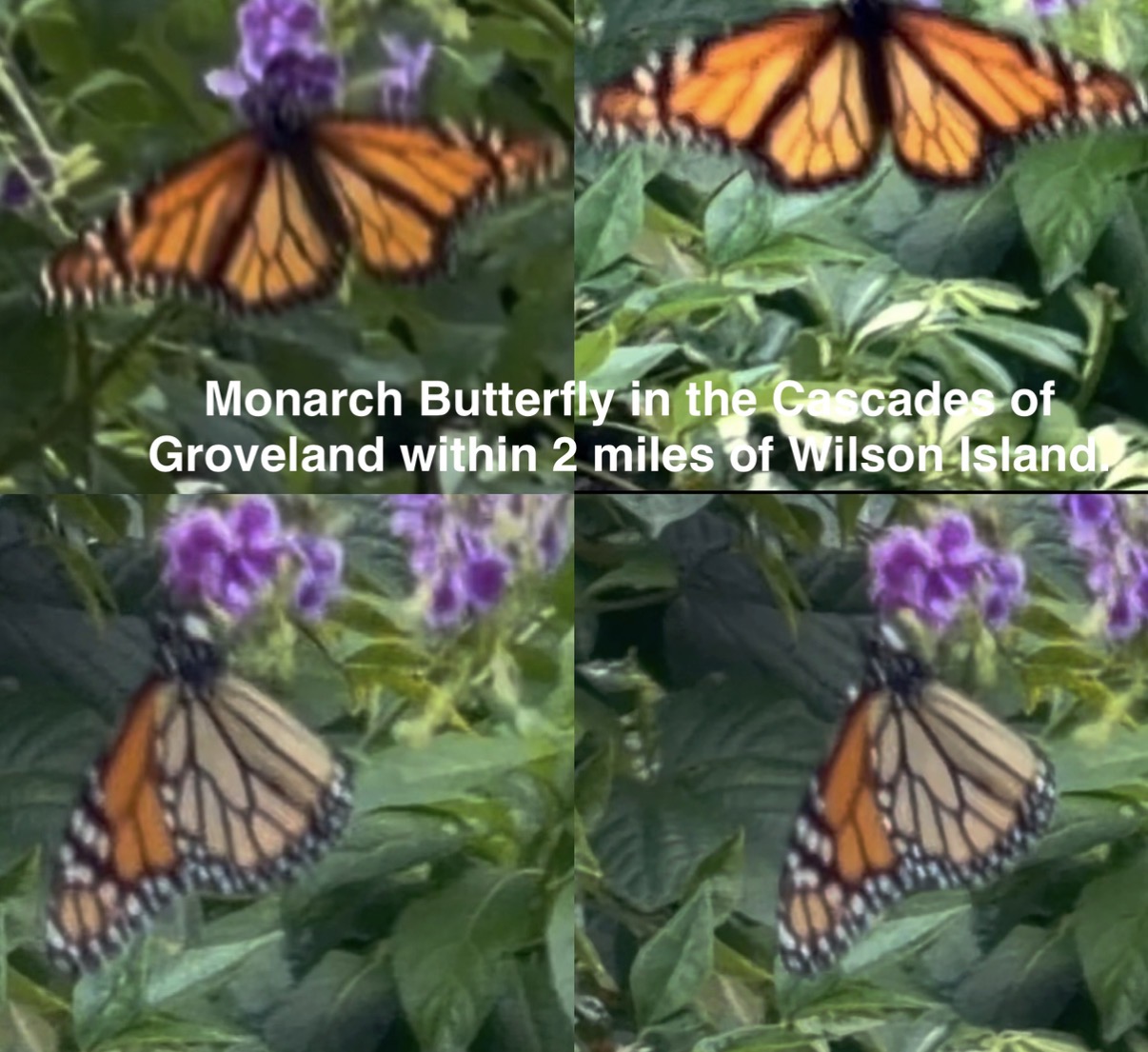
M- Monarch Butterfly (considered a vulnerable species in Florida)
O- Ocola Skipper, Oak Hairstreak Butterfly (rare)
P- Pink-Spotted Hawk Moth, Palamedes Swallowtail butterfly, Polydamas Swallowtail Butterfly, and Polyphemus Moth
Q- Queen Butterfly
S- Southern Pink-Striped Oakworm, Sleepy Orange Butterfly, Spicebush Swallowtail Butterfly, and Small Mocis Moth or Striped Grass Looper
V- Viceroy Butterfly
W- White Peacock Butterfly
Y- Yellow Mocis Moth
Z- Zebra Longwing Butterfly (State Butterfly of Florida)
The only option is to SAVE Wilson Island because we can not lose all of these creatures!
Alicia has been able to find 22 bird species in one day in the Cascades of Groveland Conservation Area (within 2 miles of Wilson Island). +This is the greatest variety of bird species she has found in one day compared to anything within 9 miles of Wilson Island. Her next top destination for bird variety has been at Crooked River Preserve in Clermont where she identified a Max 19 species within a day. Finally, the third top destination for bird species has been at the Florida Scrub Jay Trail in Clermont with 15 bird species in one day.
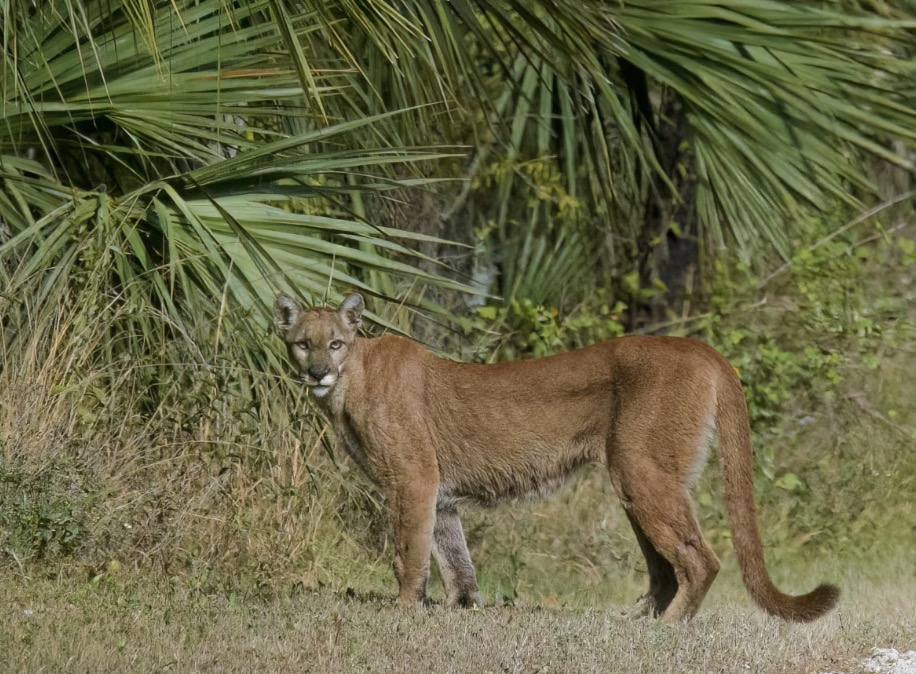
PEAR Park in Leesburg (within 13 miles of Wilson Island) is also known for birds, but Alicia had a personal experience she will never forget —-running on the PEAR Park Trail with a medium sized Florida Panther one December day in recent years. Another avid hiker at PEAR Park encountered the Florida Panthers in December also (their peak breeding month). So there could even be a Florida Panther on Wilson Island!! They appear to be expanding their range. Alicia also heard of some sightings of Florida Panthers in the conservation area at Legacy Leesburg. Florida Panthers are endangered and protected. Alicia would advise looking for a Florida Panther in December on Wilson Island as that has been the month all the other local sightings have been in.
Within 2 miles of Wilson Island, coyotes, bobcats, and marsh rabbits inhabit the areas. Currently, with the drought, the Marsh Rabbits have been looking for new habitats and going into people’s yards more as their marshes are changing from the drought.
Alicia found a few in her yard recently and she never saw them ever there before.
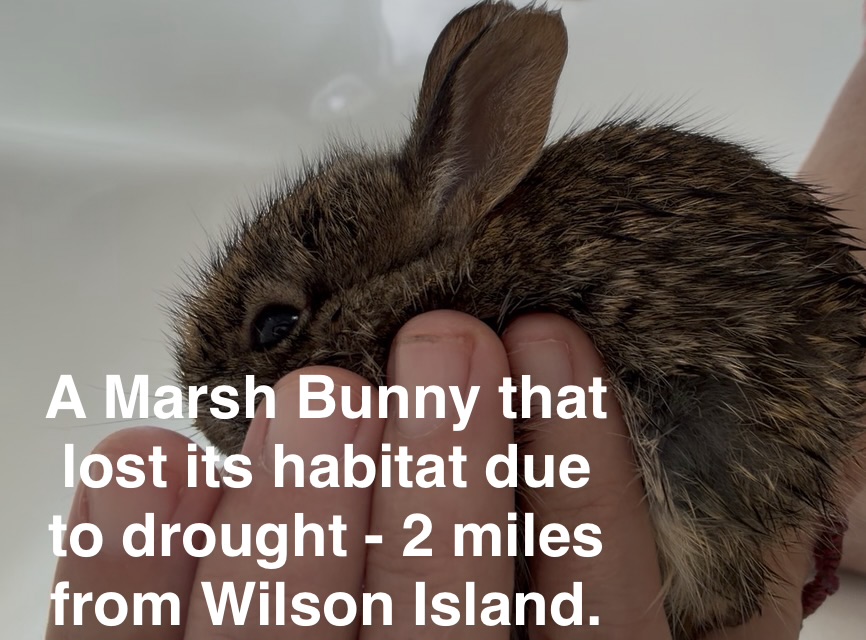
Creatures need Wilson Island more than ever!
People need to do the right thing and conserve as more than 80 percent of Groveland Residents voted for it and it got approved with the Lake Forever Referendum in 2024. Anyone that goes against it will end up with guilt and regret.
Saving Wilson Island is also the most logical thing to do and I will briefly explain why below.
Why it is a VERY POOR decision for a developer to buy Wilson Island for $18 Million (or any amount of money $$):
1.) Bottom Line: There will be no profit. Even the Realtors who spoke at the 9/24 meeting were all about Saving Wilson Island and stated that it is soft market now. There is more supply than demand and people will go to a different area to get a cheaper home.
2.) People are not willing to buy expensive homes. According to Jax 4 News, Florida currently leads the US in House Foreclosures. Florida foreclosure filings rose 33% compared to 2025.
3.) Gone are the Covid Days when people would move down here from other states because they had a full-time remote job (meaning work from home). It was the influx of these remote workers that bought houses back then, but that is not the case now. The new definition of “remote” means travel or hybrid work. So not as many buyers.
4.) Nobody is going to buy a house or invest in a property that they will not even be able to get insurance on due the high risk of flooding. Development on an island with a watershed will have inevitable flooding and people will constantly be sinking their money in water damage. Or it could be so bad, that they get washed away. Only Mother Nature Knows how bad it will be.
Only Someone Braindead would think of building a development on Wilson Island as it is totally illogical for the following reasons:
1.) People move to Groveland because they are seeking higher than average yard space and more rural areas. A high-density development on an island is not even what somebody here wants.
2.) The watershed on Wilson Lake will no longer work properly with development on the island and no one can predict what Mother Nature will do. However, it is believed that just with a normal thunderstorm, the water will at the very least triple on the island. So routine flooding is inevitable.
3.) Once the island is destroyed and paved, it is irreversible. All the plants and animals will die. Water quality will be destroyed. Aquatic life will suffer. There will be a reduction of oxygen from lack of trees.
4.) Destroying the island and turning it into a development – is not fair to other homeowners along the shorelines of Cherry Lake Road because they will now be flooded also due to the watershed being disrupted.
Message to DEVELOPER: Unless you can find someone mentally ill with a lot of money that wants to live like this—then you are out of luck. My advice would be to look for a city that appreciates high density housing and needs more shops and stores and pay $18 million for a development in a big hustling and bustling city where you can actually make a profit.
Let’s continue to Save Wilson Island as the Proof is in the Pudding – it is an international gem! Thank you for reading and learning about the wildlife around Wilson Island.
Alicia can be reached at Awinningway@gmail.com
END OF REPORT